Less House, More Life
What is the Right Fit?
When I lived in Los Angeles, I loved going to small theater performances scattered around the city—Equity waiver black box productions tucked into storefronts and tiny theaters. The budgets were minimal, and the stage sets often even more so. A chair. A table. Maybe a single light.
And yet those were often the most powerful performances I saw.
Because the set wasn’t trying to dominate the stage. It simply created just enough structure for the story to unfold. The actors carried the life of the performance.
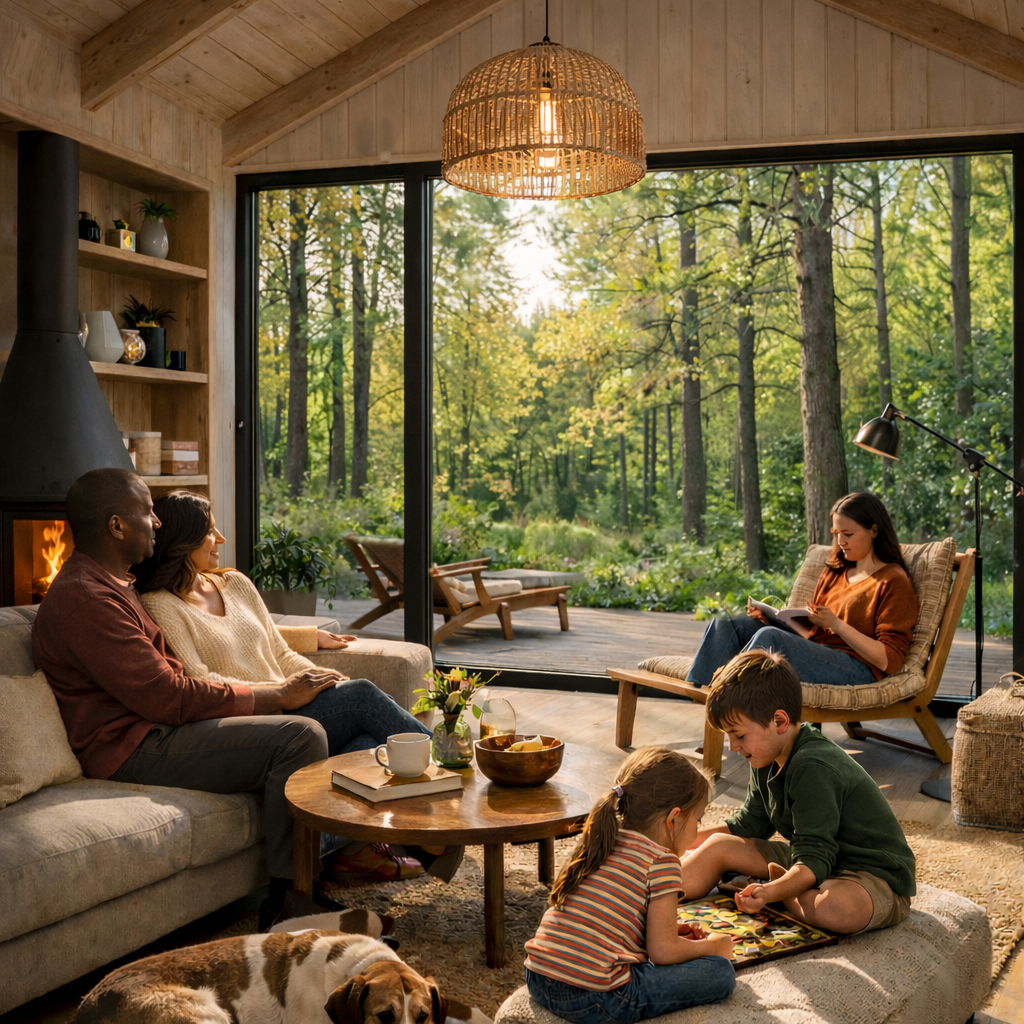
I find myself thinking about those theaters sometimes when I walk through houses.
At its best, a home works in much the same way. It creates the setting where life unfolds—dinners with friends, quiet mornings, the small rituals that shape a life. The house supports those moments without demanding too much attention. Life takes center stage.
For most of my career in real estate, the conversation around houses has been fairly straightforward: buy a home, hold onto it, and over time it will build wealth. For generations of Americans, that equation worked. A home was more than shelter. It was stability, savings, often the largest asset a family would ever own.
But lately I’ve found myself wondering about a different question. Not how much house someone can afford, but how much house their life actually needs.
What I’ve begun to notice is a tipping point that has less to do with square footage and more to do with presence. It’s not when a house becomes too small. It’s when the house becomes very present—when it begins quietly asking more attention than the life around it may want to give.
Many of the people I work with are moving through life transitions. A divorce. Children leaving home. A move to a new city. The beginning of a second chapter that looks different from the first. And in those moments, the conversation around a house often shifts.
One client may be carrying a large mortgage at a stage of life when the financial weight feels heavier than it once did. Another is becoming an empty nester and realizes that entire floors of the house may soon sit quietly unused. Someone else has begun thinking about stairs and what they might mean ten or fifteen years from now.
None of these homes are wrong. In fact, many of them are extraordinary.
Many of the people I work with live in houses that are thoughtfully designed, beautifully renovated, and deeply personal. Materials chosen with care. Rooms shaped by light and proportion. Spaces crafted to reflect the lives of the people inside them. People create nests that represent who they are, and that’s part of why the question can feel complicated. The attachment to the house is real.
But sometimes the attachment to life—and the desire to live it more fully—begins to grow stronger.
Over the years I’ve found that my role in these conversations isn’t always to encourage someone toward a larger or more impressive house. Occasionally it’s the opposite. I sometimes find myself pointing out the things that might quietly become burdens over time: a floor plan that asks for constant upkeep, a property that requires more attention than the life around it may allow, stairs that may feel very different ten years from now.
The goal isn’t simply to help someone buy a house. It’s to help them find the right relationship with a home.
I often think about a distinction that appears in Buddhist thought: the difference between being and managing. Being is life as it’s actually experienced—conversation with friends, cooking dinner, sitting quietly in a room that feels calm. Managing is everything that surrounds life but isn’t quite life itself: schedules, tasks, maintenance lists.
Every house requires some managing. That’s part of the agreement we make when we own one. But ideally the balance stays tilted toward living. When it doesn’t, people begin to feel it. The house that once held a full life slowly becomes larger than the life now unfolding inside it.
That realization can be emotional. A house holds memories—holidays, milestones, entire chapters of life. Letting go of space can sometimes feel like letting go of those years themselves. But sometimes it also creates space for something new: a home where most of the rooms are actually used, where weekends feel open again, where the house steps back just enough for life to expand.
I say all of this with some affection for houses themselves.
I love my own home. I jokingly call it the Loveshack. It’s not large, but it feels entirely like me. The rooms fit the way I live, and when I walk through the door it almost feels as if the house hugs me.
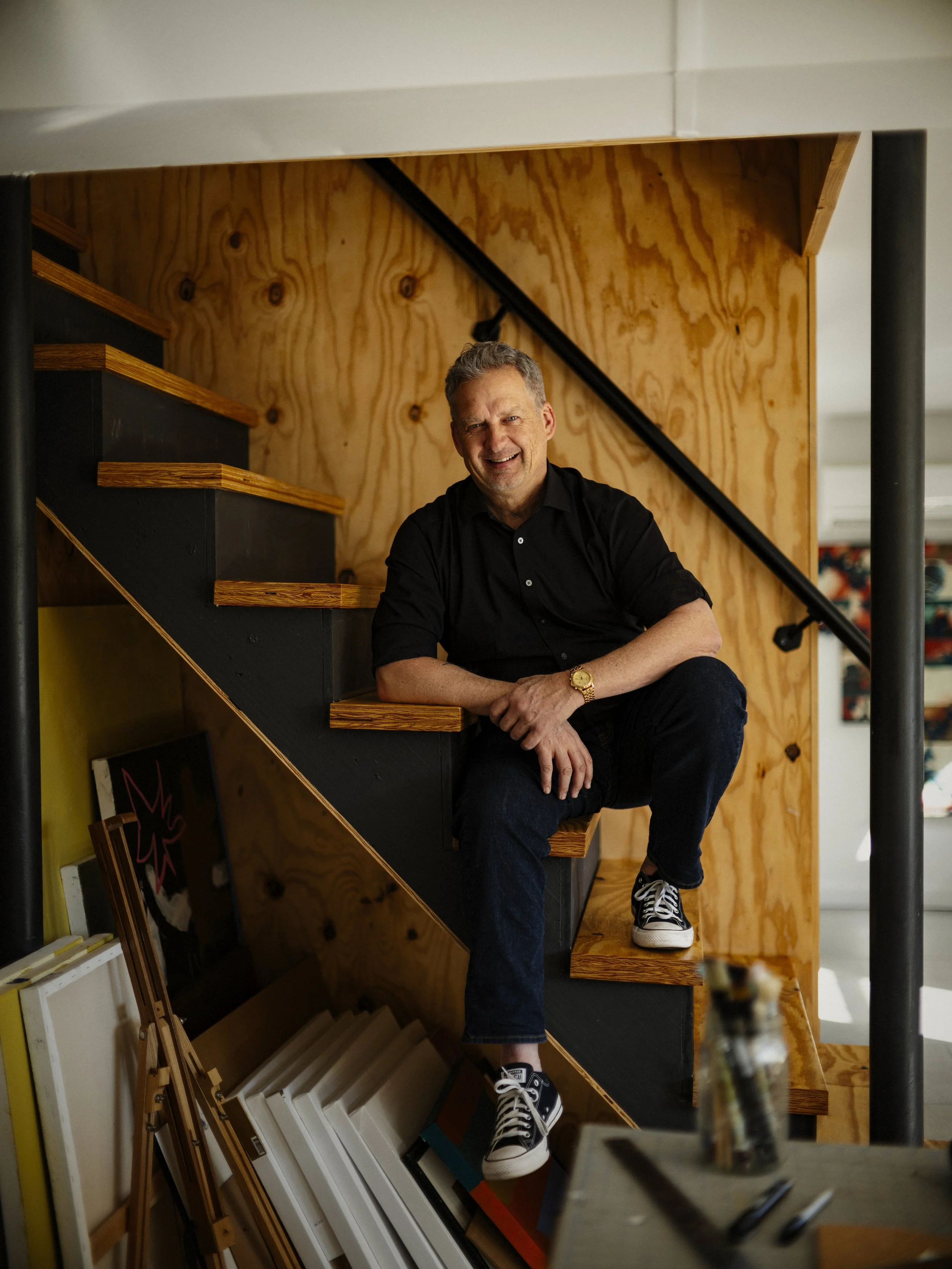
Me - in the Love Shack studio.
And yet even there I sometimes find myself thinking about a different question. If I reach the end of my life someday and look back, what will I wish my life had been filled with?
I doubt I’ll be wishing I had spent more of my life managing a house.
What I imagine instead are experiences. Conversations. Places seen. Things learned. People met along the way. Houses, even beautiful ones, eventually change hands. The furniture is sold. The objects scatter. The rooms that once held a life begin to hold someone else’s.
The house moves on.
But the experiences we gather along the way—the things we see, the people we know, the life we actually live—build another kind of wealth entirely. Experiential wealth.
A house can build financial wealth. But it should also support the wealth of living.
The best houses share a quiet quality. Like those small theater stages I used to love, they create just enough structure for life to unfold without competing with it. They step back, and the real performance begins.
Sometimes that means less square footage. Sometimes it simply means less of our lives spent managing the house itself.
Either way, the goal is the same: making space for life to expand.
Less house. More life. It’s a conversation I find myself having with more and more people these days.