The Sacred Distance: Separation of Church and State
American history didn’t stumble into the idea of separating church and state. It was built from bruises. The founders carried centuries of European memory—monarchs using faith as a weapon, dissenters imprisoned, entire wars ignited by the wrong theology in the wrong kingdom. And early America repeated some of those mistakes: Virginia jailed Baptist preachers; New England taxed citizens to fund Congregational churches they didn’t attend; religious minorities were kept from voting or holding office. By the 1780s, with a mosaic of denominations already settling across the states, neutrality wasn’t theoretical—it was the only way a diverse republic could survive. The First Amendment became a promise that government would not choose a religion, and religion would not choose the government. Jefferson called it a “wall of separation,” but more accurately, it was a boundary of respect: each sphere preserving space for the other to thrive.
That boundary has worked remarkably well. In the 19th century, the U.S. avoided the sectarian violence that still roiled Europe; Catholic immigrants, Jews, and later Buddhists and Hindus found legal protection even when they lacked social acceptance. When Utah sought statehood in the 1890s, the federal insistence that church authority could not dictate state law helped modernize the territory and integrate it into the union. In the 20th century, separation protected the rights of conscientious objectors in wartime and ensured that no child in public school was forced to pray a prayer written by the state. These weren’t arguments against religion—they were protections for it. Faith communities flourished precisely because participation was voluntary. The sacred stayed sacred by not being conscripted.
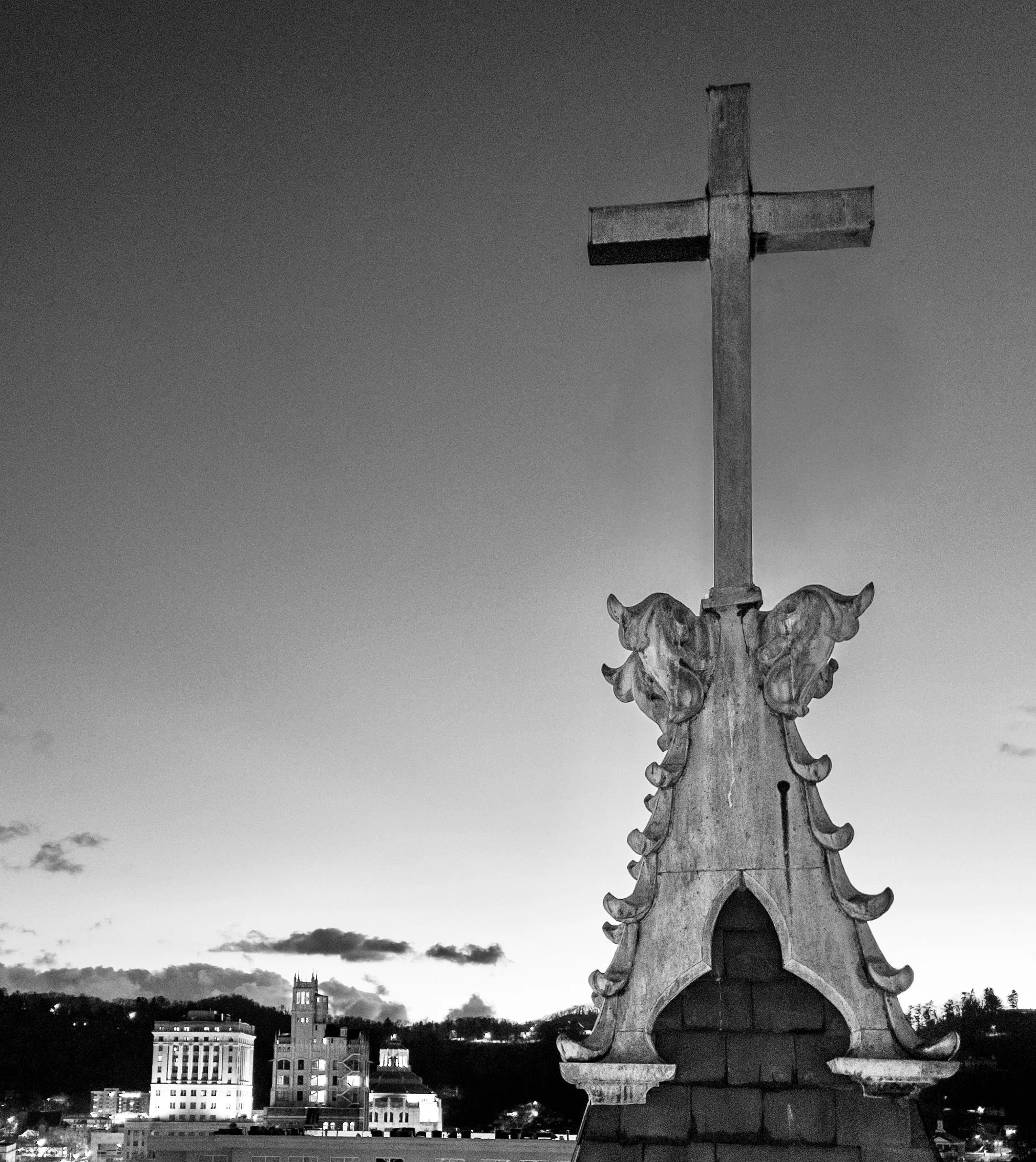
But American history also shows what happens when the boundary softens. In the 1950s, Cold War anxiety birthed a wave of civil religion—“In God We Trust” on money, “under God” added to the pledge, biblical language inserted into national rhetoric. These moves were largely symbolic, but they signaled a blending of patriotism with one particular understanding of Christianity. In the 1980s and 1990s, the Moral Majority and other movements pushed further, seeking to legislate theological convictions into civil law. Today, the line grows even more porous: school boards invoking a single religious worldview, state governments funding religious education with public dollars, and court decisions that grant unprecedented leeway for the state to endorse religious messages. What’s emerging isn’t faith—it’s fusion. And fusion always comes at a cost.
When church and state blend, two things happen. First, minority faiths and non-religious citizens lose equal footing; belonging becomes conditional. Second—and this is the irony—the dominant faith weakens. Once a religion relies on government power, it becomes more political than spiritual, more defensive than transformative. We’ve seen modern examples: public policy arguments framed as divine mandate; religious symbols turned into partisan tokens; politicians using faith to mobilize fear rather than meaning. The result is a cultural fog where moral questions can’t be discussed without triggering tribal panic. Boundaries blur, and the public square becomes a battleground instead of a place for pluralism.
Yet the original vision still offers clarity. Separation of church and state isn’t an attempt to remove religion from American life; it’s a way of honoring the depth of belief by keeping it voluntary, personal, and protected. It’s a reminder that democracy works best when no single worldview controls the script. And it’s a commitment to the idea that freedom of belief—and freedom from imposed belief—makes room for everyone’s sacred story, not just one.
We’re at another moment of reckoning. The question isn’t whether religion belongs in America—it always has, and beautifully so. The question is whether we can keep the sacred distance that allows both religion and democracy to flourish. History shows the cost of losing that space. Today, the way forward may simply be returning to the wisdom the founders already wrote: a nation strong enough to hold many beliefs, and humble enough not to enforce one.