World Aids Day
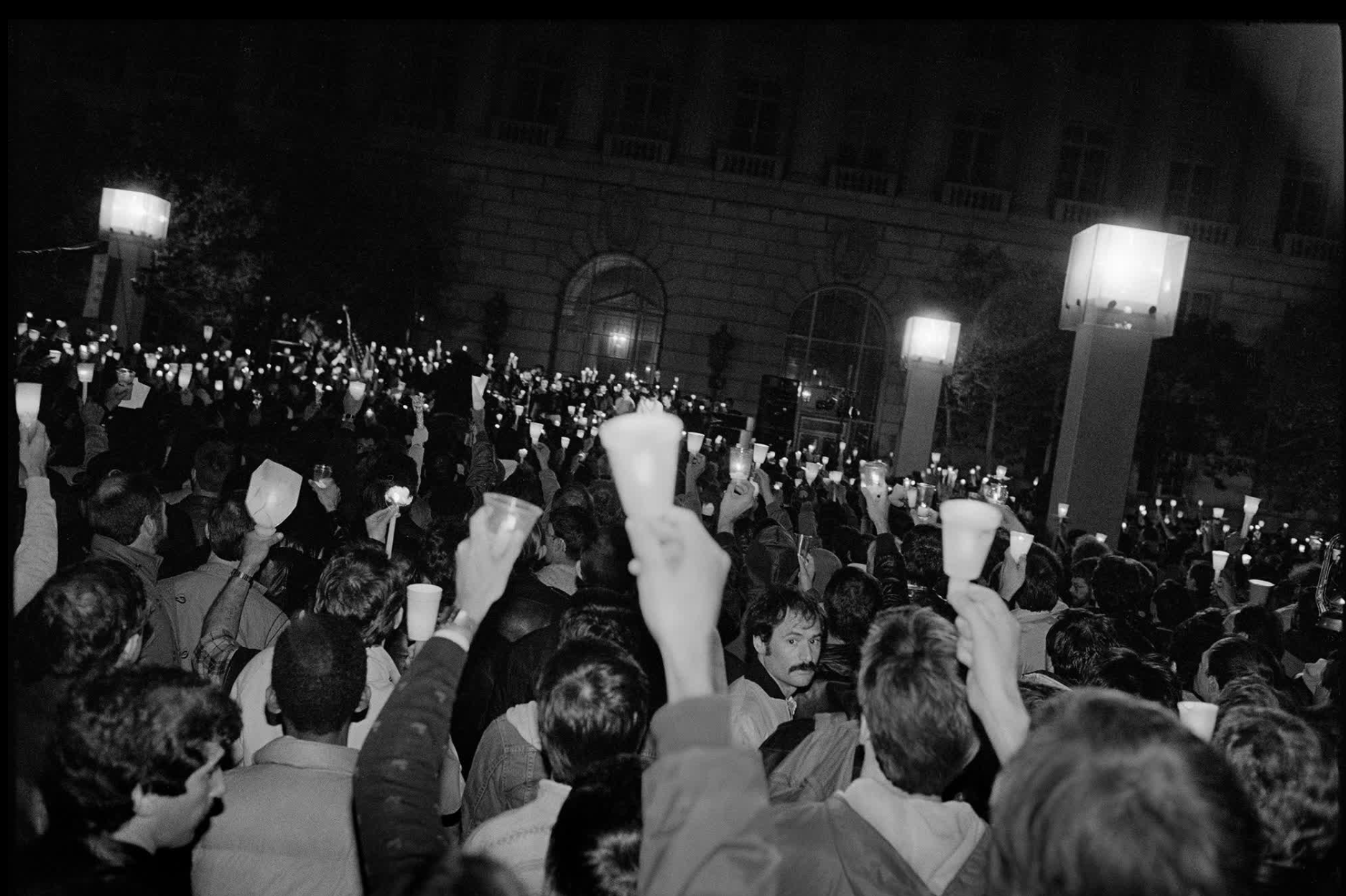
Damn it. I just couldn’t let the day go by given where we are today in our country. It felt like someone let the air out of it. {sigh} To my brothers and to the younger generations who walk a different path because of our experience in coming together -- just as we did because of our elders before us. And just as they will do and are doing for us in taking things further than we did.
On World AIDS Day, I remember a decade built from contradictions. I found myself in the open studios of Architecture School at DAAP—full of late-night collaborators, makers, and misfits—while the AIDS epidemic spread shadow and fear outside and inside those same windows. Coming out then meant holding identity and mortality in the same hands. I wanted to say this before the day ended: to honor the lost, the brave, and the unseen networks that carried us forward. It was a powerful time for me and others.
In 1984, when I started at the University of Cincinnati, there was no model for coming out. No digital spaces to land softly in, no broad workplace protections to hide behind, no national ceremonies for the queer dead, no clear social vocabulary for love that stepped outside societal outlines. You came out socially one person at a time, like static crackling on a radio dial full of stations that weren’t tuned for you.
The cultural atmosphere said: Stay hidden. Stay quiet. Stay safely unremarked.
Gayness wasn’t depicted as a spectrum of ordinary lives. It was depicted as a risk, a rumor, a moral lightning rod that invited speculation, surveillance, and judgment. So many gay men came out only to hear the world narrate them back as cautionary headlines, comic relief, tragedy, or threat. If you said you were gay in the mid-1980s, others wondered how close you stood to the virus, even when proximity was metaphorical, not medical.
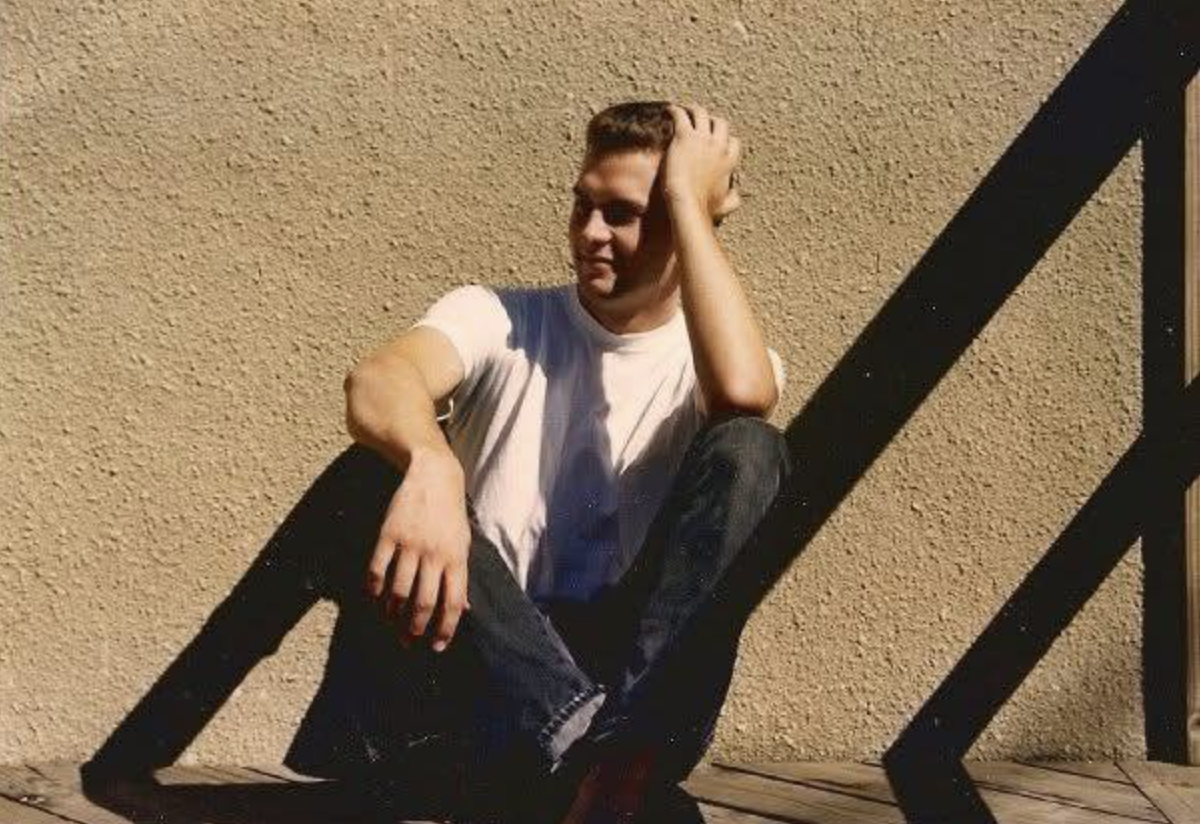
Me. Likely around 1989
College was where I started to put language around my sexuality. It was where experimentation felt possible. But the same years carried a counter-rhythm of constraint: 1984 was also when the AIDS epidemic was formally named, and public fear surged faster than any real understanding. My own personal sexual revolution was happening at the very moment a virus was being framed socially as indictment and punishment. Thus, I mostly abstained out of fear. Lucky me. I'm here to share now.
I, and others, lived in the tension of:
Discovery, but danger
Freedom, but footsteps approaching quickly
Desire, but consequences arriving uninvited
Belonging, but potential erasure
Identity, but social suspicion
It was the first time I felt my life opening up internally, even while the outside world seemed determined to close its fist around queer possibility.
Not the perfect time for a personal sexual awakening.
Not the safe decade for experimentation.
Not the generation that got to grow up without consequences.
But it was the generation that learned how to care for one another, even when the larger world failed to.
The 1980s for queer people were constant contradictions:
Visibility vs. vulnerability—being seen felt necessary, but dangerous
Self-recognition vs. social distortion—you finally knew who you were as the world tried to misdescribe you (as it does for many)
Belonging vs. potential homelessness—origin family could revoke emotional or literal shelter instantly
Erotic revolution vs. epidemic grief—coming alive sexually happened beside mass death
Urgency to live vs. promises of dying young—you weren’t sure you’d reach the decades your peers assumed were guaranteed
Love vs. legal invisibility—commitment without institutional recognition
Youth vs. loss of elders—guidance deferred because the generation before was disappearing
Community strength vs. national silence—mutual aid thriving while governments stalled budgets
Joy vs. interrogation of joy—being gay sometimes felt like signing your name on a question the world kept asking
Those contradictions didn’t just stress us—they formed us, and later forced dignity, treatment funding, protections, and eventually marriage rights.
Defiance in that decade was creative, loud, unapologetic, ritualized, and grassroots:
“Silence = Death” posters splashed in public without pleading
ACT UP protests interrupted broadcasts, church institutions, and political budgets
The Names Project created the AIDS Memorial Quilt to hold millions of names the nation initially tried not to speak
Grief found public ceremony in candlelights, vigils, street marches, and cloth stitched by unrecognized gay partners
Choicelessness turned into collective voice
Silence turned into megaphones
Shame turned into testimony
If containment was the nation’s first impulse, then disruption was ours.
Many of us believed we might not live long enough to have ordinary adulthood problems.
Many of us buried friends before ever imagining we’d buy houses.
Many of us learned “family” through care rather than origin.
The 1980s were impossibly timed for personal revolution and visibility, but they were exactly timed for defining what community can do when no larger system shows up in time.
This is what I wanted to say before the end of the day:
We drafted our lives anyway.
We honored our dead anyway.
We loved without recognition anyway.
And we carried one another into decades we fought to reach.
And with or without government support we can continue to do so.
Thank you to everyone who built that era’s empathy loudly enough to make it impossible to ignore. Today, on World AIDS Day, we honor the millions of lives and names carried by that defiance—especially those memorialized in the AIDS Memorial Quilt.
And to anyone facing fear now—medical, social, internal, or otherwise—may you live long enough to have ordinary problems in extraordinary decades you were brave enough to reach.
With much love and gratitude for my life today and the privilege of tip-toeing into an Eldership of sorts. All I ask is to go be fully you. 110%.